
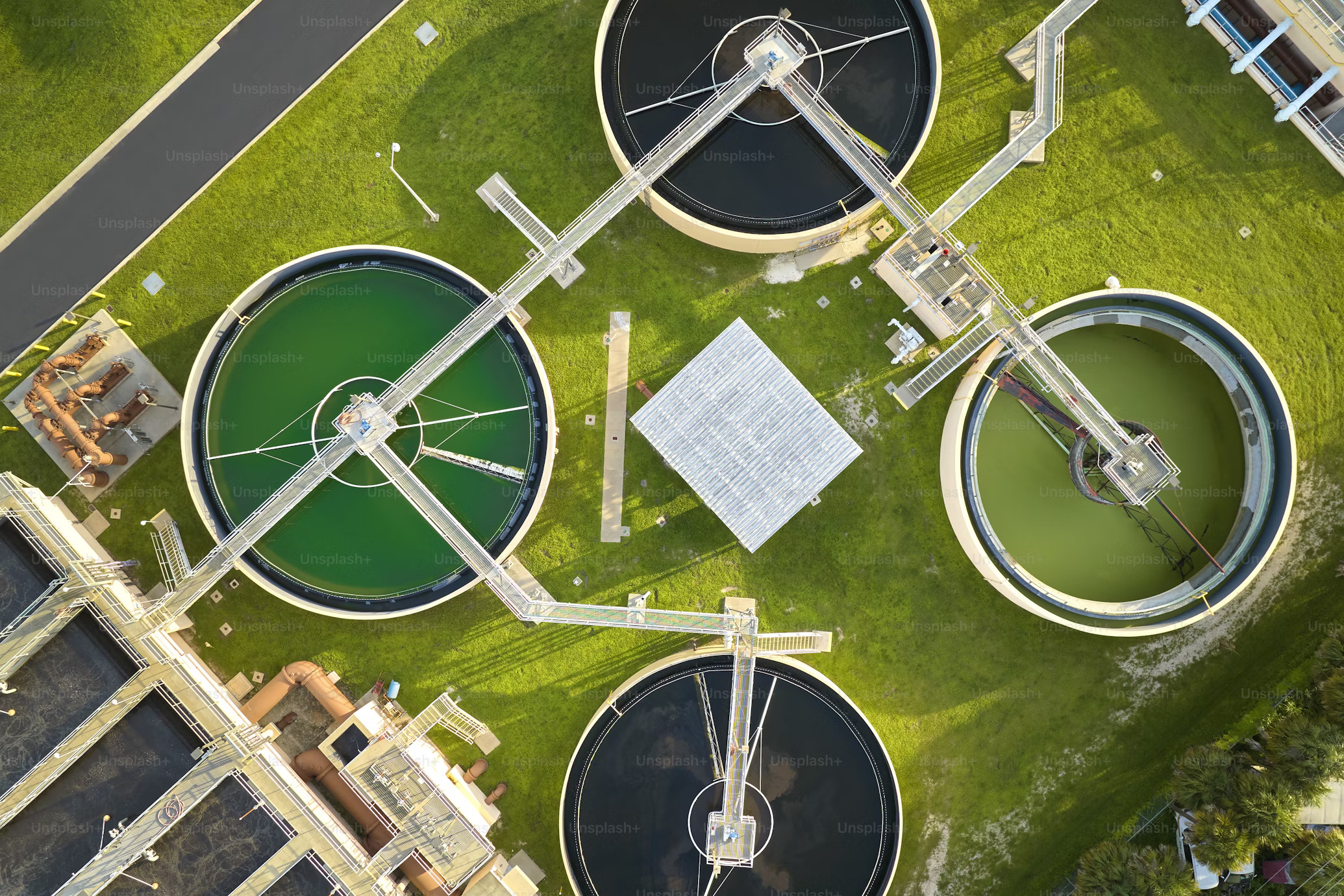
Wastewater management is a vital but often overlooked aspect of modern urban life. Effective wastewater treatment is essential for protecting public health, preserving the environment, and ensuring a sustainable future. In this blog post, we’ll explore why automation is no longer just a choice but a necessity in wastewater management.
1. Enhanced Efficiency and Precision:
Wastewater treatment involves complex chemical and biological processes. Automation systems excel in precisely controlling these processes, optimizing variables such as pH levels, chemical dosing, and aeration rates. This precision ensures that wastewater is treated to the highest standards, reducing the risk of environmental contamination.
2. Real-time Monitoring and Data Analysis:
Automation systems continuously monitor wastewater quality and treatment processes. They gather vast amounts of data, which can be analyzed to identify trends and anomalies. This real-time data allows operators to make informed decisions, respond to issues promptly, and optimize treatment processes for maximum efficiency.
3. Environmental Responsibility:
The impact of wastewater discharge on the environment is a growing concern. Automation can help mitigate this impact by ensuring that treatment facilities operate within regulatory limits. Automated systems can also optimize energy consumption, reduce chemical usage, and minimize waste production, making wastewater treatment more environmentally friendly.
4. Worker Safety:
Wastewater treatment plants can be hazardous environments. Automation allows for the automation of high-risk tasks, reducing the exposure of workers to potentially harmful conditions. Emergency shutdown procedures can also be automated, further enhancing worker safety.
5. Consistency in Treatment:
Consistency in wastewater treatment is crucial for maintaining Consistency in wastewater treatment is crucial for maintaining the health of ecosystems and ensuring public safety. Automation systems ensure that treatment processes are carried out consistently, regardless of factors such as operator shifts or workload fluctuations.
6. Scalability and Adaptability:
Wastewater treatment needs can change rapidly, especially in densely populated areas. Automation systems are designed to be scalable and adaptable. Treatment facilities can expand or contract their capacity quickly to meet changing demands, ensuring the reliability of wastewater treatment services.
7. Regulatory Compliance:
Wastewater treatment facilities must adhere to strict regulations to protect water quality and public health. Automation systems facilitate compliance by monitoring and controlling treatment processes to meet regulatory standards. Automated reporting ensures that regulatory requirements are met efficiently.
8. Minimized Operating Costs:
While the initial investment in automation systems may be significant, the long-term benefits are substantial. Automated wastewater treatment plants require fewer human operators and consume fewer resources. Over time, this leads to reduced operational costs and a more sustainable economic model.
9. Remote Monitoring and Control:
Remote monitoring capabilities enable operators to oversee wastewater treatment facilities from a central location. This reduces the need for on-site personnel and allows for faster response to emergencies or maintenance needs.
10. Data-Driven Decision-Making:
Automation systems generate an abundance of data that can be used for data-driven decision-making. By analyzing this data, wastewater treatment facilities can optimize processes, reduce costs, and improve overall efficiency.
In conclusion, wastewater management is a critical component of modern urban infrastructure. Industrial automation is no longer an option but a necessity to ensure efficient, safe, and environmentally responsible wastewater treatment. Automation systems provide the precision, scalability, and data-driven insights needed to address the complex challenges of wastewater management. Embracing automation is not just about improving treatment processes; it’s about safeguarding our environment and ensuring a healthier future for generations to come.