
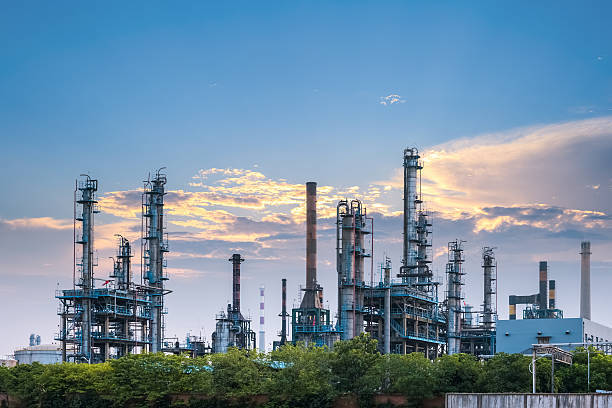
The fertilizer industry, often working behind the scenes, plays a pivotal role in global agriculture. It provides the essential nutrients that help nourish our crops, ensuring food security for billions of people. However, to meet the ever-growing demand for food while addressing environmental concerns, the fertilizer industry must undergo a transformation. In this blog post, we’ll delve into why automation is not just a choice but a necessity for the fertilizer industry.
1. Precision and Efficiency in this industry:
Fertilizer production involves complex chemical processes, where precision is paramount. Automation systems excel in precisely controlling these intricate operations, optimizing parameters like temperature, pressure, and chemical dosing. This precision not only ensures consistent product quality but also minimizes resource wastage, making the fertilizer manufacturing process more efficient.
2. Customized Nutrient Blending:
Modern agriculture demands tailored nutrient solutions to optimize crop yields while minimizing environmental impact. Automation allows fertilizer manufacturers to blend custom nutrient formulations quickly and accurately, catering to the specific needs of various crops and soil types.
3. Environmental Responsibility:
Environmental concerns surrounding fertilizer production are pressing. Automation can play a significant role in addressing these concerns. Automated systems can monitor emissions, optimize energy usage, and ensure compliance with environmental regulations, reducing the environmental footprint of fertilizer manufacturing.
4. Safety First:
Fertilizer production often involves handling hazardous materials. Automation systems can manage these materials with the utmost care, minimizing the risks to human operators. Safety protocols can be automated to respond instantly to deviations from safety standards, further protecting workers and the environment.
5. Quality Assurance:
Consistency in fertilizer quality is vital for predictable crop yields. Automation ensures that every batch of fertilizer meets strict quality standards. Automated inspection and testing systems can identify deviations and defects, reducing the likelihood of subpar products reaching the market.
6. Inventory Management:
Fertilizer manufacturers deal with various raw materials and finished products. Automation systems excel in managing inventory, tracking raw material levels, and ensuring the timely availability of materials. This minimizes production interruptions and reduces the risk of stock outs.
7. Data-Driven Decisions:
Automation systems generate vast amounts of data from various processes. By harnessing this data, fertilizer manufacturers can make data-driven decisions. These insights enable optimization of production processes, reducing costs, and improving overall efficiency.
8. Scalability and Adaptability:
In agriculture, demand can be highly seasonal and variable. Automation systems are designed with scalability in mind, allowing fertilizer manufacturers to adapt quickly to changing production needs. This flexibility is crucial for meeting the demands of a dynamic market.
9. Regulatory Compliance:
The fertilizer industry is subject to numerous regulations to ensure product safety and environmental responsibility. Automation systems can facilitate compliance by automating record-keeping, monitoring, and reporting, reducing the administrative burden on manufacturers.
10. Global Competitiveness:
To compete effectively in a global marketplace, fertilizer manufacturers must produce high-quality products efficiently. Automation enhances productivity and reduces operational costs, making it easier for manufacturers to remain competitive.
In conclusion, the fertilizer industry stands at the threshold of transformation, driven by the imperative of feeding a growing global population while safeguarding the environment. Industrial automation is the key to achieving these goals. It not only enhances efficiency, quality, and safety but also aligns the fertilizer industry with sustainability and regulatory requirements. Embracing automation is not just an option; it’s a necessity for a fertile future in agriculture.